Leadership is often judged by what happens when plans change, teams disagree, or a difficult decision cannot be delayed. In a fast-moving business environment such as Bangalore, professionals are expected to handle these situations while keeping their teams focused and productive. This is why effective leadership development needs to go beyond classroom theory.
A strong programme should help professionals examine how they communicate, make decisions, respond to pressure and influence others. It should also give them opportunities to practise these skills in situations that resemble the challenges they face at work.
Leadership Development Should Begin With Self-Awareness
Good leadership starts with understanding one’s own behaviour. Before professionals can guide a team effectively, they need to recognise their communication habits, decision-making patterns and reactions under pressure.
A meaningful leadership development program Bangalore organisations choose should therefore include reflection and honest feedback. Participants should be encouraged to identify behaviours that help their performance as well as those that may be limiting their effectiveness.
This is particularly relevant for professionals moving into managerial positions for the first time. Technical expertise may have helped them succeed in their previous role, but leading people requires a different set of capabilities.
Practical Learning Matters More Than Lectures
Leadership is difficult to learn by simply listening to presentations. Professionals need opportunities to apply concepts, make decisions and receive feedback.
Practical exercises, role plays, workplace situations and guided discussions can make learning more relevant. For example, handling an underperforming employee, resolving a disagreement between colleagues or communicating an unpopular decision can reveal leadership gaps that a traditional lecture may not expose.
This approach also makes the learning easier to connect with everyday work. The objective is not simply to remember leadership concepts, but to change how a person behaves when faced with real workplace situations.
Communication Should Be Treated as a Leadership Skill
Leadership and communication are closely connected. A manager may have strong technical knowledge, but unclear instructions, poor listening or ineffective feedback can quickly affect team performance.
Leadership Development in Bangalore should therefore address communication in practical terms. Participants need to understand how to communicate with different personalities, give constructive feedback, manage difficult conversations and explain expectations clearly.
Strong communication is not about speaking more. It is about creating clarity, listening carefully and choosing the right approach for the situation.
Decision-Making and Accountability Need Equal Attention
A leader’s role involves making decisions with incomplete information. Delaying every difficult decision can create confusion, while acting without considering consequences can create unnecessary risks.
A well-designed programme should help participants examine how they approach decisions, assess available information and take responsibility for outcomes. Case discussions and realistic business scenarios can help professionals practise this judgement without the pressure of an actual workplace crisis.
Accountability should also be part of the learning process. Effective leaders need to understand that responsibility does not end when a decision is delegated.
Emotional Intelligence Cannot Be an Afterthought
Teams are made up of people with different expectations, personalities and working styles. Leaders who understand these differences are better positioned to build trust and manage challenging situations.
Emotional intelligence includes self-control, empathy, awareness and the ability to respond thoughtfully rather than react immediately. These qualities become particularly important when managing conflict, giving feedback or supporting employees through change.
A Leadership Training Institute in Bangalore should therefore consider behavioural development alongside traditional management skills.
Learning Should Continue Beyond the Training Room
One of the clearest signs of a serious leadership programme is what happens after the sessions finish. A short workshop may introduce useful ideas, but lasting development requires continued practice.
Reflection, coaching, feedback and opportunities to apply new behaviours can help participants turn learning into consistent habits. Programmes that connect learning with real workplace challenges are more likely to create meaningful behavioural change.
For organisations in Bangalore, this also means considering the specific responsibilities and challenges faced by their managers rather than applying the same training approach to everyone.
What Makes a Leadership Programme Worthwhile?
There is no single formula for developing effective leaders. The strongest programmes combine practical experience, behavioural insight, relevant business situations and opportunities for reflection.
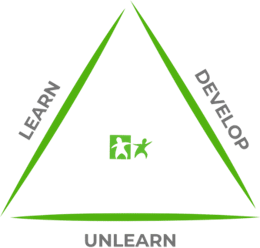
Change Institutes follows an experiential approach built around the stages of Unlearn, Learn, Develop and Change, using practical situations, role plays and coaching rather than relying only on lectures. Its leadership programmes are structured for different career stages, from first-time managers to more experienced professionals.
The real measure of leadership learning is not how much information participants remember at the end of a session. It is whether they communicate differently, make better decisions, handle people more effectively and take greater ownership of their responsibilities.
Conclusion
A high-impact leadership programme in Bangalore should prepare professionals for the situations that actually test leadership: difficult conversations, competing priorities, team disagreements, uncertainty and important decisions.
The most valuable programmes combine practical learning with self-awareness, communication, emotional intelligence, decision-making and continued development. When these elements come together, leadership training becomes more than a professional development activity. It becomes a structured opportunity to improve how people lead themselves, their teams and their work.
For organisations and professionals evaluating leadership development options in Bangalore, the right starting point is not simply the course title. It is the quality of the learning experience, the relevance of its methodology and the evidence that participants can apply what they learn in real working environments.