
Getting promoted to a managerial position is an important career milestone. However, the transition from being part of a team to leading the same people brings a different set of responsibilities. Someone who was previously a colleague must now assign work, manage performance, address disagreements and make decisions that affect others.
For many professionals in Gurgaon, this transition can be challenging. The city’s corporate environment includes IT companies, consulting firms, startups and multinational organisations where managers are expected to handle responsibilities from an early stage. Technical knowledge and individual performance may have helped someone earn a promotion, but managing people requires a different set of abilities.
This is where structured leadership development becomes relevant. It helps newly appointed managers understand their responsibilities and develop the confidence to lead people effectively.
Why Being a Good Employee Does Not Automatically Make a Good Manager
High-performing employees are often promoted because they understand their work, meet deadlines and deliver consistent results. However, management involves more than completing individual tasks.
A manager must understand how different people work, recognise their strengths and provide direction when priorities change. They also need to handle situations where team members disagree or fail to meet expectations.
One common mistake among new managers is continuing to work as an individual contributor. Instead of delegating responsibilities, they take on too much themselves. Over time, this affects team productivity and creates unnecessary pressure.
Developing the ability to trust others, communicate expectations and take responsibility for team outcomes is an important part of becoming an effective manager.
The Leadership Challenges Faced by First-Time Managers in Gurgaon
Gurgaon has a diverse professional workforce, with employees working across technology, finance, consulting, manufacturing and service industries. Managing people in such environments requires an understanding of different working styles and professional expectations.
New managers may struggle with giving constructive feedback, handling underperformance or maintaining professional relationships with former colleagues. Some hesitate to make difficult decisions because they are concerned about how their team will respond.
Another challenge is balancing employee expectations with organisational targets. Managers must ensure that work is completed on time without overlooking communication, motivation and employee development.
Leadership Training in Gurgaon can help professionals understand these workplace situations through practical exercises, discussions and real-life management scenarios rather than relying entirely on theoretical knowledge.
Skills Every First-Time Manager Needs to Develop
Delegation and Accountability
Delegation is not simply distributing tasks among team members. It involves understanding individual capabilities, setting clear expectations and allowing people to take ownership of their responsibilities. Managers must also know when to provide support without interfering unnecessarily.
Communication and Constructive Feedback
Clear communication helps prevent misunderstandings and improves coordination. First-time managers need to learn how to conduct one-to-one conversations, communicate expectations and address performance concerns professionally.
Emotional Intelligence
Managing people means working with different personalities, opinions and reactions. Emotional intelligence helps managers remain composed during difficult conversations, understand employee concerns and respond without making decisions based on frustration.
Decision-Making and Conflict Resolution
Managers regularly face situations where there is no straightforward solution. They must assess available information, consider different perspectives and make decisions while accepting responsibility for the outcome.
Why Structured Development Matters More Than Learning Through Experience Alone
Experience is an important part of becoming a manager, but learning only through mistakes can affect both individual confidence and team performance.
A structured First-Time Manager Training Gurgaon approach gives professionals an opportunity to practise management skills before applying them in demanding workplace situations. Role plays, group activities, simulations and trainer feedback help participants understand how their behaviour influences others.
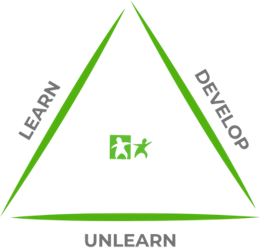
At Change Institutes, leadership development follows an Unlearn, Learn, Develop and Change approach. The process focuses on identifying unhelpful habits, building practical knowledge and applying new skills through workplace-related exercises.
The foundational leadership track is designed for aspiring leaders and newly appointed managers, covering communication, motivation, decision-making and essential leadership principles. Learning can be supported through classroom, online and on-site formats, depending on individual and organisational requirements.
Measuring Leadership Progress in the Workplace
Leadership development should not be measured only by course completion. Its real value becomes visible when managers begin applying what they have learnt.
Organisations can observe improvements in delegation, team communication, handling disagreements and employee accountability. Regular feedback from team members and senior managers can also help identify areas that need further attention.
For professionals undertaking a leadership development programme in Gurgaon, setting clear development goals before starting training can make the learning process more meaningful. Reviewing progress after the programme also helps turn newly acquired knowledge into consistent workplace behaviour.
Building Better Managers Through Continuous Learning
Moving from peer to manager is a change in responsibility, but it is also a change in mindset. New managers must learn to measure their contribution through the progress of their teams rather than only their individual achievements.
Organisations in Gurgaon that identify and support emerging managers early can build stronger internal leadership capabilities. For individuals, the most useful starting point is an honest assessment of their current strengths, communication habits and areas requiring improvement.
A conversation with an experienced leadership trainer can help determine which development areas need attention and whether a structured programme is appropriate. The objective should be to build managers who make informed decisions, communicate with clarity and create an environment where people can perform at their best.