AI is changing the way managers work. Reports can be prepared faster, information can be analysed in seconds, and routine tasks can increasingly be handled through technology. But one part of management remains difficult to automate: leading people.
For managers in Bangalore, this shift brings a different kind of responsibility. Knowing how to use new technology is useful, but knowing how to communicate decisions, handle uncertainty, build trust and keep people moving in the right direction is becoming equally important.
The strongest managers in an AI-driven workplace will not simply know more about technology. They will know how to lead people when technology changes the way work gets done.
Communication With Clarity
When processes change, employees naturally have questions. A manager who communicates vaguely can create more uncertainty, even when the underlying decision is sound.
Clear communication means explaining what is changing, why it matters and what people need to do next. It also means listening carefully instead of treating communication as a one-way activity.
Executive Presence Builds Confidence
Executive presence is not limited to senior executives. It can be seen in the way a manager handles a difficult question, presents an idea or responds when a decision is challenged.
Calm body language, thoughtful responses and the ability to stay composed under pressure can influence how others perceive a leader. In situations where AI provides several possible answers, managers still need the confidence to assess those options and take responsibility for the final decision.
Emotional Intelligence Keeps Leadership Human
Technology can identify patterns in data, but it cannot fully understand what an employee is experiencing.
Managers with emotional intelligence notice changes in behaviour, listen to different viewpoints and respond without reacting impulsively. This becomes particularly important when employees are concerned about automation, changing responsibilities or new performance expectations.
Good leadership is not only about achieving targets. It is also about understanding the people responsible for achieving them.
Adaptability Is No Longer Optional
The workplace is changing quickly, and managers cannot expect every new situation to follow a familiar pattern.
Adaptable leaders are willing to learn, test new approaches and change their thinking when circumstances require it. They do not need to have an immediate answer to every question. Instead, they know how to find the right information, involve the right people and move forward.
This ability is particularly relevant in Bangalore, where professionals often work in fast-moving technology, business and service environments.
Credibility Comes From Consistency
AI can make information easier to access, but it can also make poor information easier to circulate. Managers therefore need to develop the judgement to question information before acting on it.
Credibility grows when leaders are consistent in their decisions, honest about uncertainty and willing to take responsibility for outcomes. Employees are more likely to trust a manager who does not pretend to have every answer.
Over time, this reliability becomes a leadership advantage.

Leadership Requires Continuous Learning
A manager’s learning should not stop after reaching a particular position. New tools, working methods and expectations will continue to emerge.
Continuous learning does not mean becoming a technical specialist. It means staying curious about how technology affects people, customers and business decisions. Managers who keep learning are better prepared to guide their teams through unfamiliar situations.
Why These Skills Matter for Managers in Bangalore
The future workplace will need managers who can combine practical business understanding with strong people skills. Communication, executive presence, emotional intelligence, adaptability, credibility, leadership and continuous learning work together rather than separately.
These capabilities can help managers make better decisions, handle difficult conversations and create a workplace where people can adjust without losing direction.
Developing these skills is not a one-time exercise. They become stronger through reflection, practice, feedback and exposure to real workplace situations.
For professionals across Bangalore, communication has become one of the most valuable workplace skills. Whether you are beginning your career or preparing for leadership responsibilities, developing these habits can help you communicate with greater confidence, build meaningful professional relationships, and create lasting career opportunities.
An Opportunity to Strengthen Practical Leadership Skills
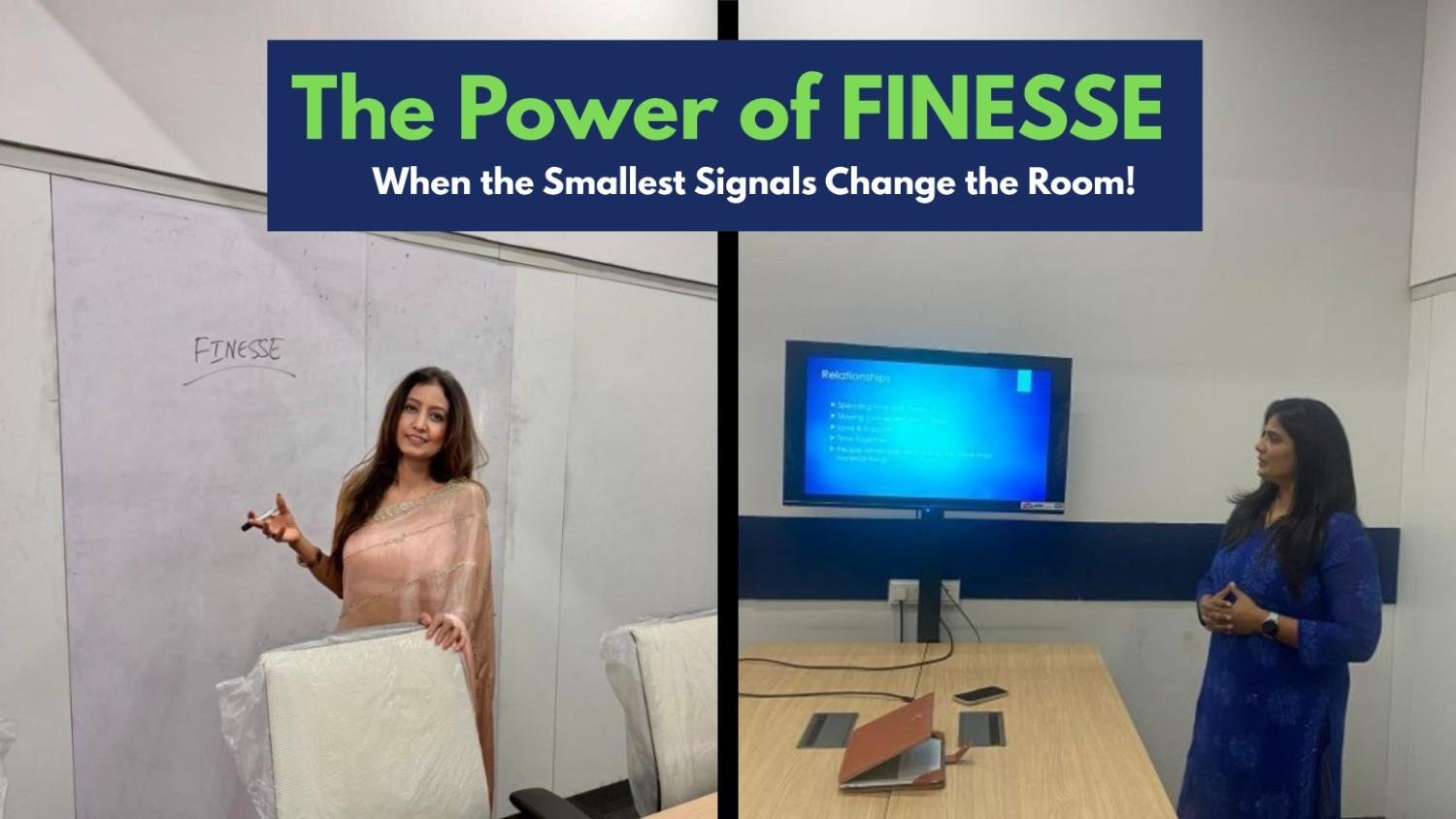
These leadership skills will also be explored during an upcoming live learning session in Bengaluru on 29 August 2026, designed around practical workplace development.
The session will focus on communication with clarity, executive presence, emotional intelligence, leadership development, adaptability, professional credibility and continuous learning. It will be held from 10:00 AM to 12:30 PM at Apsensys Business Tower, Bengaluru.
For professionals looking to strengthen how they communicate, influence and lead, an interactive learning environment can provide an opportunity to reflect on current strengths and identify areas that need further development.