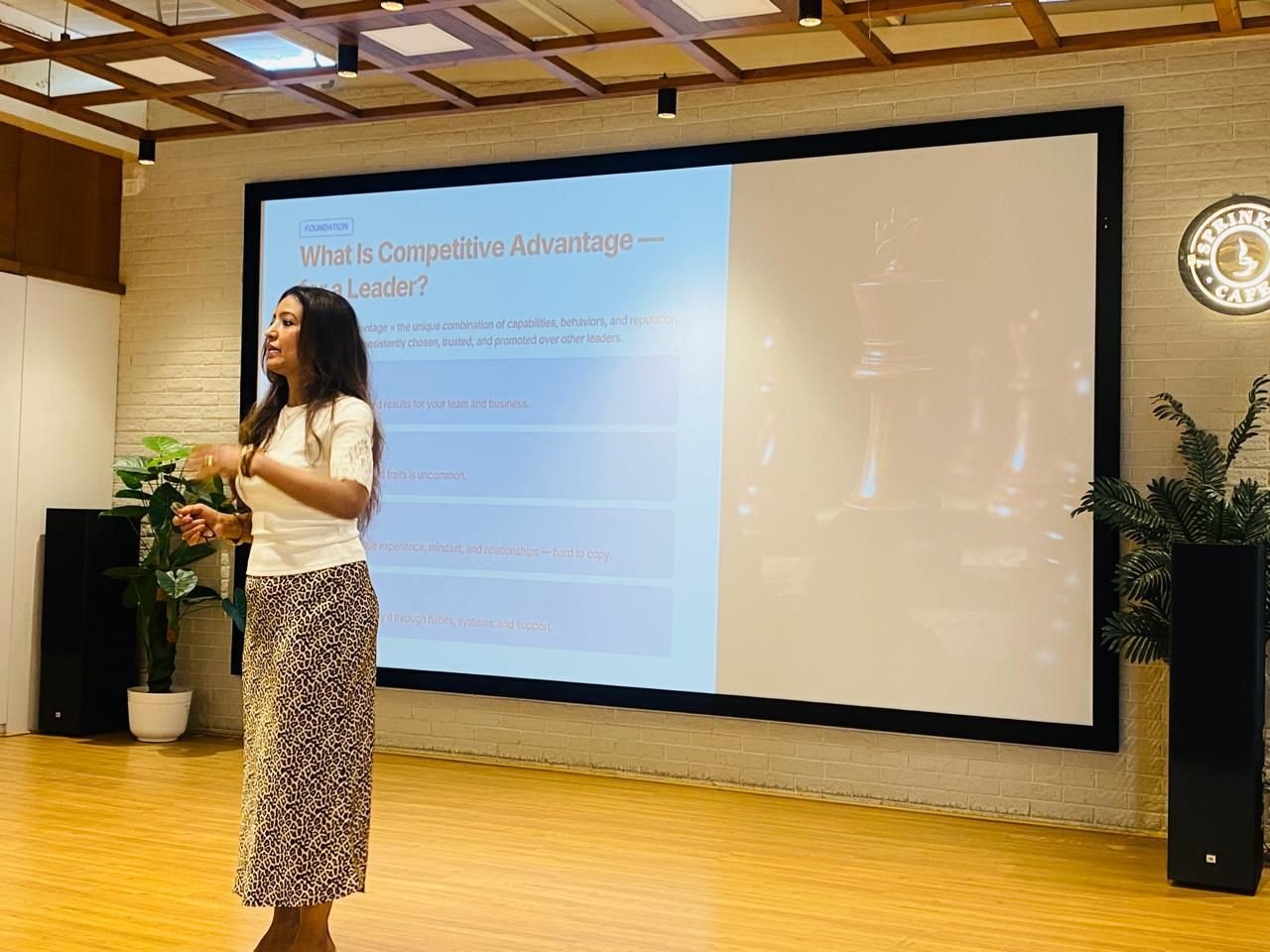
Customers rarely remember every feature of a product or service, but they do remember how they were treated. In the same way, employees often stay with an organization because of the work environment, the people they collaborate with, and the opportunities they receive to grow. This is why organizations in Bangalore, from technology companies to service businesses, are placing greater importance on workplace communication, leadership, and interpersonal development.
While technical knowledge helps employees perform their roles, people skills shape everyday interactions. Many professionals explore Soft Skills Training in Noida as a benchmark for structured learning programs, but the underlying principles remain valuable for organizations across India’s leading business hubs, including Bangalore.
Why Soft Skills Matter Beyond Technical Expertise
A skilled employee who struggles to communicate, resolve conflicts, or collaborate with colleagues can unintentionally affect customer experience. On the other hand, someone with strong interpersonal abilities can build trust, handle difficult conversations professionally, and strengthen long-term client relationships.
For businesses in Bangalore’s competitive market, these qualities often become a key differentiator. Whether the interaction takes place in person, over email, or during a virtual meeting, customers appreciate clarity, empathy, and confidence. These behaviours cannot be developed overnight. They require consistent learning, practice, and feedback.
Customer Satisfaction Begins with Better Communication
Many customer complaints do not arise because of poor products or services. They stem from misunderstandings, delayed responses, or conversations that leave customers feeling unheard.
Well-designed learning programs that focus on listening skills, problem-solving, emotional intelligence, and workplace etiquette help employees respond with greater confidence. As communication improves, teams become more capable of understanding customer expectations before issues escalate.
Organizations that invest in Communication Skills Training in Noida often demonstrate how structured communication frameworks can improve professional interactions. Businesses in Bangalore can apply similar practices to create consistent customer experiences regardless of department or communication channel.
The Link Between Soft Skills and Employee Retention
Retaining experienced employees has become one of the biggest challenges for growing businesses. Salary is only one part of the equation. Employees are more likely to remain with organizations where they feel respected, understood, and supported by their managers.
Strong interpersonal skills encourage healthier workplace relationships. Managers who communicate expectations clearly, provide constructive feedback, and resolve conflicts fairly contribute to a more positive work culture.
When employees experience fewer communication barriers, collaboration improves naturally. Teams become more comfortable sharing ideas, solving problems together, and supporting one another during challenging projects. This creates an environment where professionals are more likely to build long-term careers instead of constantly searching for new opportunities.
Building Confident Leaders Within the Organization
Leadership is no longer limited to senior management. Project coordinators, team leaders, supervisors, and department heads all influence employee experience every day.
Future leaders need more than technical expertise. They must know how to motivate teams, manage disagreements, conduct meaningful conversations, and encourage professional growth. These qualities become especially important in Bangalore’s fast-moving business environment, where cross-functional collaboration is common.
Many professionals consider soft skills classes in Noida to strengthen these capabilities, but organizations across India increasingly recognize that leadership development should be part of continuous workplace learning rather than a one-time activity.
Creating a Learning Culture That Lasts
Short workshops may introduce useful concepts, but lasting improvement comes from continuous practice. Organizations achieve better results when learning is supported through regular coaching, role-play sessions, peer discussions, and practical workplace scenarios.
Employees should have opportunities to apply new skills immediately. Real conversations with customers, internal meetings, and collaborative projects become valuable learning experiences when followed by constructive feedback.
Measuring the Business Impact
Soft skills are sometimes viewed as difficult to measure, yet their impact is visible across several business outcomes. Organizations frequently observe improved customer feedback, quicker conflict resolution, stronger collaboration between departments, higher employee engagement, and reduced staff turnover after investing in structured development initiatives.
These outcomes contribute directly to business stability. Experienced employees remain productive for longer periods, while satisfied customers are more likely to return and recommend the business to others.
Developing people skills should therefore be viewed as a long-term business investment rather than a training expense.
Helping Teams Grow with the Right Learning Approach
Building strong communication, leadership, and interpersonal abilities requires structured guidance, experienced trainers, and practical learning methods. Organizations looking to strengthen workplace performance should choose learning programs that reflect real business situations and encourage continuous improvement instead of one-time knowledge transfer.
Conclusion
In today’s competitive business environment, customer experience and employee retention are closely connected. Organizations that invest in professional development create workplaces where employees communicate effectively, collaborate confidently, and build stronger relationships with customers.
For businesses in Bangalore, strengthening workplace communication and leadership skills is no longer optional. It is a practical step toward building resilient teams, improving customer trust, and creating a culture where both employees and businesses can grow sustainably.