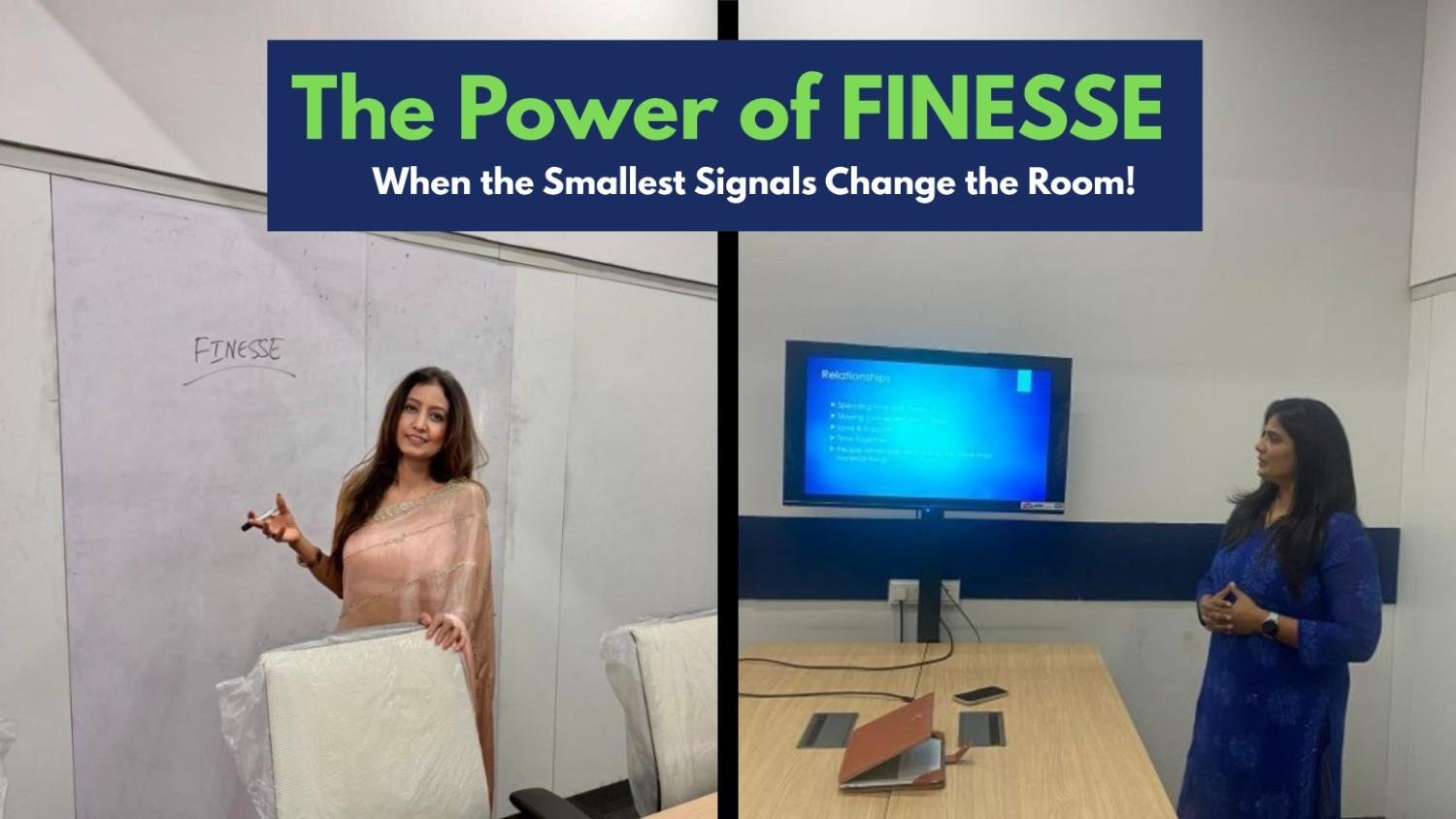
Walk into any growing company in Bangalore today, and you’ll notice one common thread—teams are expected to learn faster than ever. New tools, changing customer behavior, and constant innovation are reshaping how people work. In this environment, corporate training in Bangalore is no longer just a support function; it plays a direct role in performance, retention, and long-term growth.
What’s changing in 2026 is not just what companies teach, but how they approach learning. The most effective organizations are moving away from one-size-fits-all sessions and building systems that reflect real work challenges. Below are seven strategies that are already showing measurable results across forward-thinking companies.
Role-Based Learning Instead of Generic Programs
Employees perform better when training speaks directly to their responsibilities. Generic modules often fail because they don’t reflect real tasks.
Organizations in Bangalore are shifting toward role-based learning paths—customized modules designed for specific functions like sales, product, or operations. This approach ensures that learning translates into action quickly, making employee training methods more practical and relevant.
Microlearning That Fits Into Daily Work
Long training sessions are losing effectiveness. People rarely retain information from hours of uninterrupted content.
Microlearning breaks content into short, focused sessions that employees can complete between tasks. This method respects time constraints while improving retention. It also aligns well with modern work habits, where learning happens in small, continuous steps rather than occasional workshops.
Real-World Simulations Over Theory
Theory alone rarely improves performance. Employees need exposure to real scenarios where they can apply concepts.
Simulations, case-based discussions, and problem-solving exercises help bridge this gap. These formats allow employees to make decisions, see outcomes, and learn from mistakes in a controlled environment. Among emerging corporate learning trends, this shift toward experiential learning stands out as one of the most impactful.
Continuous Feedback and Coaching
Training doesn’t end when a session is completed. Without follow-up, most learning fades quickly.
High-performing organizations focus on continuous feedback. Managers play a key role here, offering guidance, reviewing progress, and reinforcing learning on the job. This ongoing support strengthens workforce development by turning knowledge into consistent behavior.
Learning Integrated With Business Goals
Training works best when it is directly tied to measurable outcomes. Programs that operate separately from business goals often struggle to show value.
Companies are now aligning training initiatives with specific objectives—improving sales conversion rates, reducing errors, or enhancing customer experience. This alignment ensures that learning contributes to real performance improvements rather than remaining theoretical.
Peer Learning and Knowledge Sharing
Employees often learn best from each other. Peer learning creates an environment where knowledge flows naturally across teams.
In many Bangalore-based organizations, internal experts lead sessions, share case studies, or mentor junior team members. This approach builds trust and encourages collaboration. It also strengthens organizational knowledge without relying solely on external training resources.
Data-Driven Training Decisions
Guesswork has no place in modern training strategies. Companies are increasingly using data to understand what works and what doesn’t.
Metrics such as completion rates, performance improvements, and employee feedback help refine programs over time. This analytical approach ensures that training remains relevant and effective, adapting to both employee needs and market changes.
A Practical Perspective on Implementation
Building effective training systems requires more than selecting the right strategies. It involves understanding employee challenges, evaluating current gaps, and designing programs that evolve with the business.
Organizations that succeed in this space don’t treat training as a one-time initiative. Instead, they see it as an ongoing process that supports both individual growth and organizational success. This mindset is what differentiates average programs from those that truly impact performance.
Conclusion
The expectations from employees are rising, and so is the need for meaningful learning experiences. Companies that invest in thoughtful, well-structured training strategies are seeing stronger performance, better engagement, and improved retention.
As businesses continue to grow in Bangalore, adopting practical and adaptive learning approaches will become essential. The focus is no longer on delivering more training—but on delivering the right training, in the right way, at the right time.