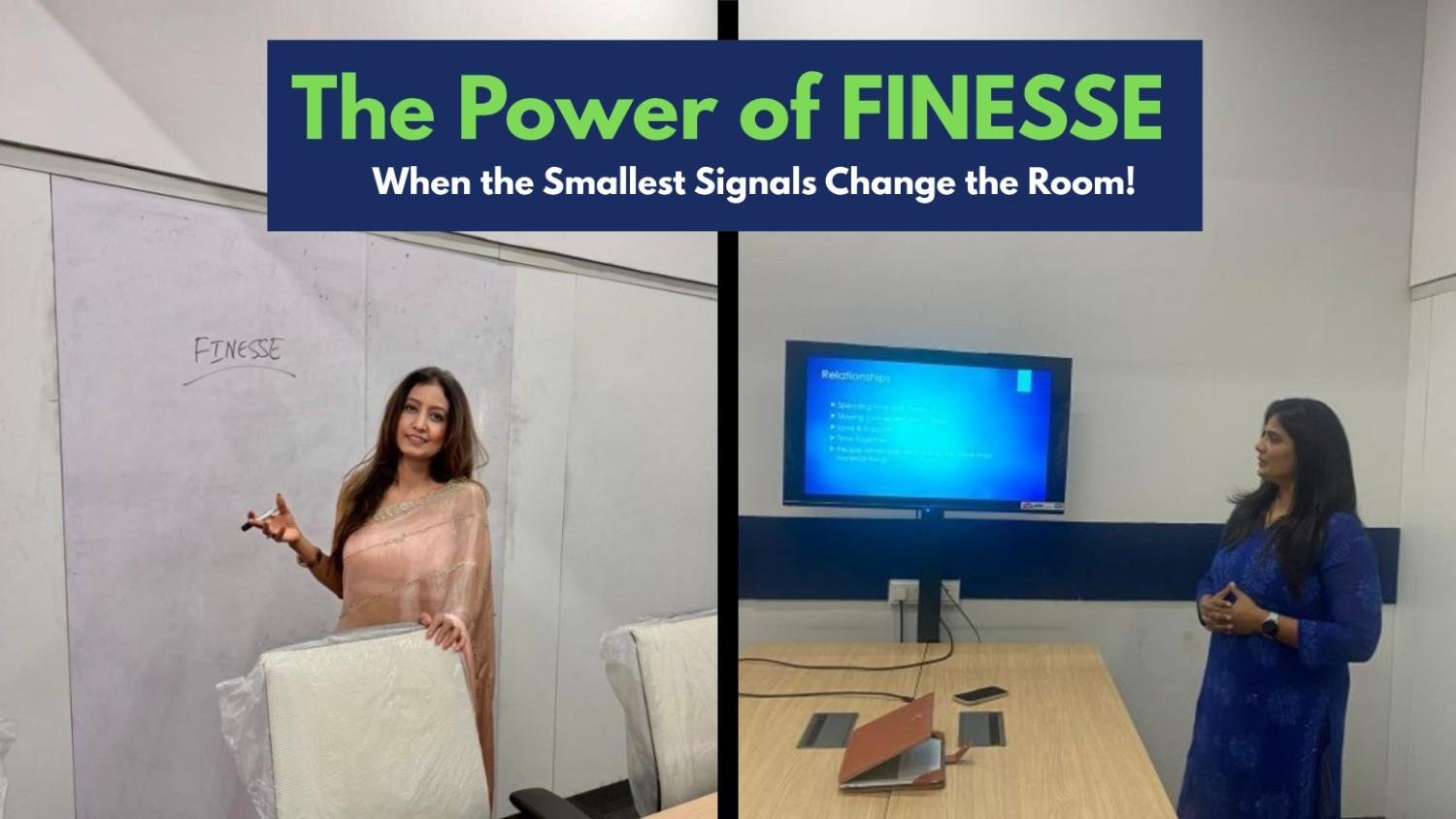
In today’s competitive professional environment, technical expertise alone is no longer enough to achieve long-term success. Employers increasingly value how individuals communicate, collaborate, and adapt in dynamic workplace settings. This is where Soft Skills Training in Bangalore plays a vital role. As one of India’s leading corporate and education hubs, Bangalore demands professionals who are confident, articulate, and emotionally intelligent. Strengthening these skills not only improves workplace performance but also accelerates career growth and leadership readiness.
This guide explores why soft skills matter, what areas they cover, and how structured training can transform both personal confidence and professional outcomes.
Why Soft Skills Matter in Modern Careers
Soft skills influence how professionals interact with colleagues, clients, and leadership. These skills determine how effectively someone can manage pressure, resolve conflicts, present ideas, and work within diverse teams. In fast-paced industries such as IT, management, sales, and customer service, professionals with strong interpersonal abilities stand out quickly.
Organizations today look for individuals who can lead discussions, adapt to change, and represent the company with professionalism. Without these abilities, even highly skilled individuals may struggle to advance in their careers.
The Growing Demand for Soft Skills Development
As workplaces become more collaborative and client-focused, structured soft skills development training has become essential. Companies invest in these programs to improve productivity, employee engagement, and customer satisfaction.
This type of training focuses on building self-awareness, emotional intelligence, communication clarity, and professional behavior. For individuals, it helps overcome hesitation, improves confidence in meetings, and enhances overall workplace presence. For organizations, it results in stronger teams and better leadership pipelines.
Professional Growth Through Targeted Training
Many working professionals seek Professional soft skills Bangalore programs to enhance leadership readiness and workplace effectiveness. These programs are designed for executives, managers, and aspiring leaders who want to strengthen their influence and decision-making abilities.
Participants learn how to manage teams, handle workplace challenges, and communicate with authority while maintaining empathy. Such training often leads to faster promotions, improved performance reviews, and stronger professional networks.
Enhancing Workplace Relationships
Strong workplace relationships are built on trust, empathy, and communication. Through interpersonal skills coaching, individuals learn how to listen actively, manage conflicts, and respond constructively in challenging situations.
This coaching approach focuses on real-life scenarios, helping participants navigate office politics, client interactions, and leadership conversations with confidence. Improved interpersonal skills lead to healthier work environments and better long-term career stability.
Practical Learning Through Workshops
Interactive learning plays a major role in skill development. A Soft skills workshop Bangalore format allows participants to practice scenarios, receive feedback, and apply learning immediately. Workshops encourage participation through role-plays, group discussions, and case studies.
This hands-on approach ensures that learning is not just theoretical but practical and measurable. Participants leave with actionable strategies they can implement in their daily professional lives.
Benefits of Soft Skills Training for Career Advancement
Soft skills training delivers measurable benefits across all career stages:
-
Improved confidence in professional interactions
-
Better communication with clients and colleagues
-
Enhanced leadership and decision-making abilities
-
Stronger adaptability in changing work environments
-
Increased employability and career mobility
Professionals who invest in these skills often experience greater job satisfaction and long-term career success.
Choosing the Right Training Program
Selecting the right training provider is crucial. Look for programs that offer structured modules, experienced trainers, and industry-relevant content. Effective training should be customized to individual or organizational needs and focus on practical outcomes rather than generic theory.
A results-oriented approach ensures that participants see real improvements in confidence, communication, and professional behavior.
Conclusion
In a city as competitive and opportunity-driven as Bangalore, soft skills are no longer optional—they are essential. From communication and confidence to leadership and collaboration, these skills shape how professionals are perceived and how far they progress in their careers. With the right training approach, individuals can unlock their full potential, build stronger professional relationships, and achieve sustainable career growth. Investing in soft skills today is an investment in long-term success.
A results-oriented approach ensures that participants see real improvements in confidence, communication, and professional behavior.